
How to Choose a Flexible Packaging Supplier in Sri Lanka
By Chamindra Gamage, Managing Director
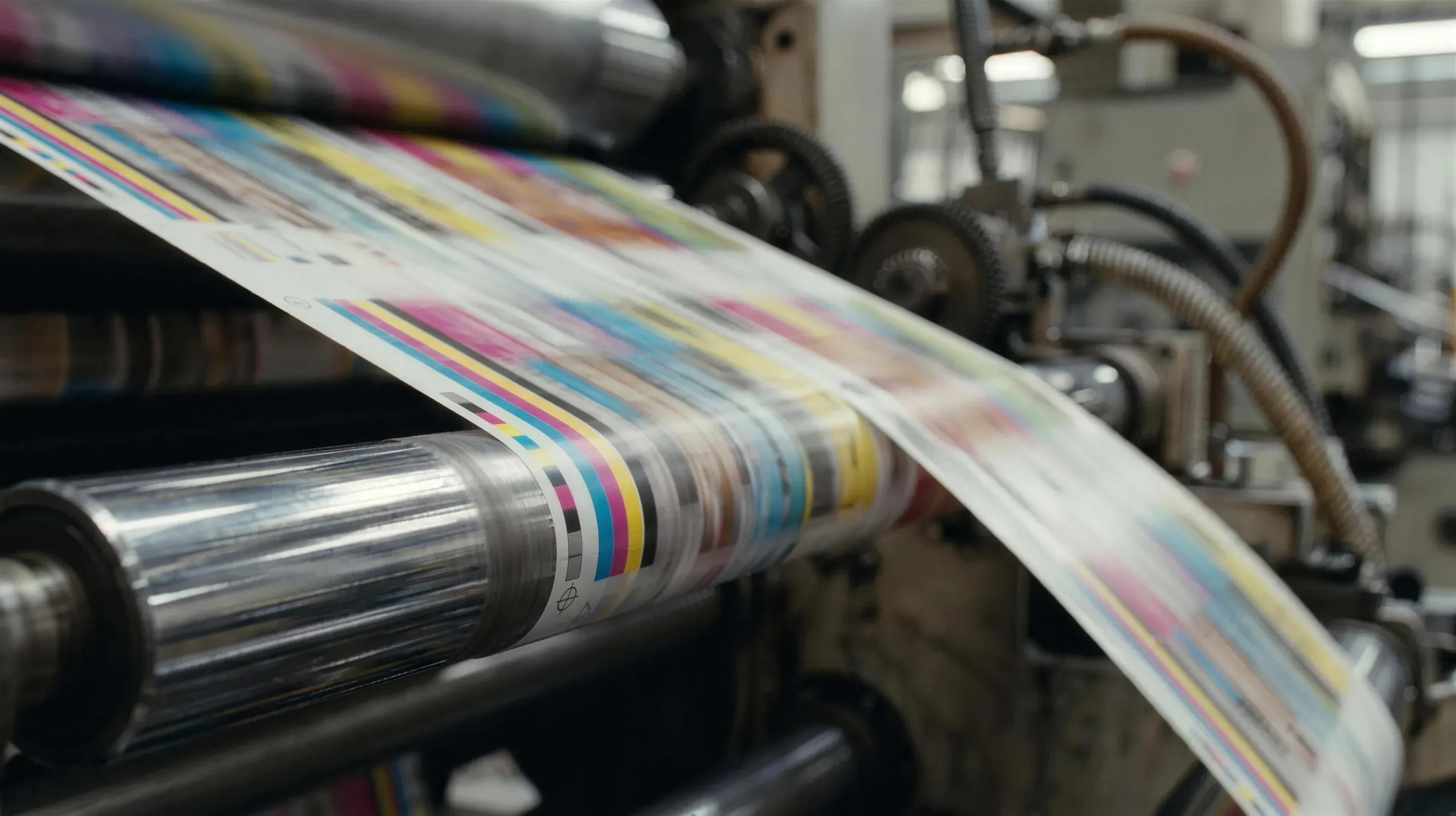
Flexible packaging looks like a commodity decision until something goes wrong. A seal fails in transit, a colour shifts between print runs, a supplier cannot hold a delivery date through a currency shortage or a fuel crisis. None of that shows up on a quote. It shows up six months into a supply relationship, usually at the worst possible time.
Most packaging companies in Sri Lanka will quote you a price and a lead time. Fewer can tell you which of those failure points they have already engineered against, and which ones they are quietly asking you to accept on faith. This is a buyer's checklist for telling the two apart, whichever supplier or manufacturer you are talking to.
Get the numbers, and make them explain them
Ask about minimum order quantity, lead time, and whether samples are available before you commit. Both MOQ and lead time move with order size, artwork complexity and material availability, so treat any figure as tied to your specific order, not a fixed menu price. What matters is whether the supplier can explain the number or only quote it. A company that walks you through why its MOQ or lead time lands where it does understands its own process. One that just states a figure may not.
Find out who makes the film
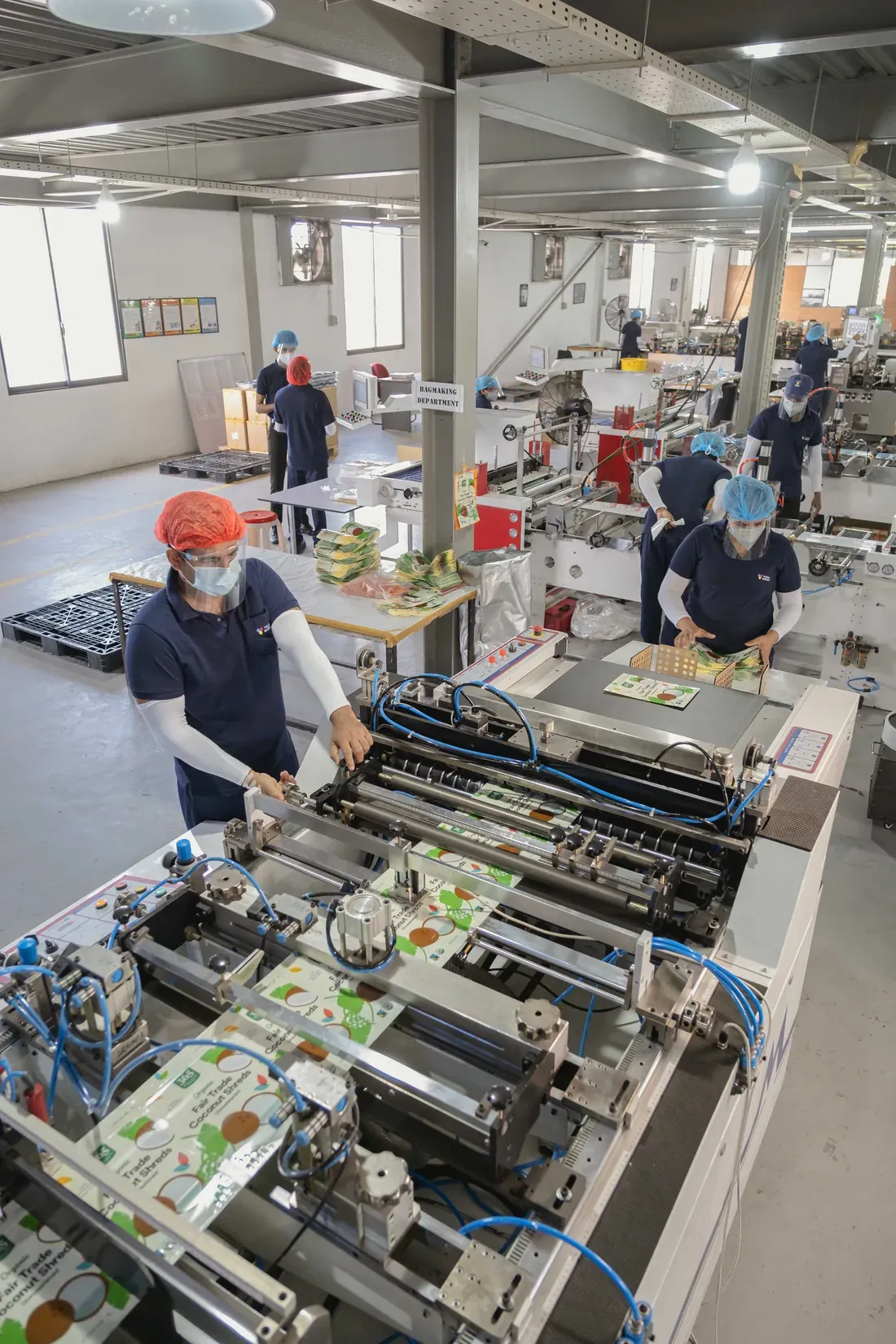
Ask whether the company extrudes its own film or buys it in as a finished input. A supplier sourcing film several steps removed has little real control over the barrier structure your product depends on. It can pass on what it was given, but it cannot adjust that structure when your product needs something specific. In-house extrusion changes that, because the structure underneath the print is set from the start. Varna, for example, extrudes its own film, which is why it can build the barrier to the product rather than to whatever finished film happened to be available.
Check the print process fits your order, not the reverse
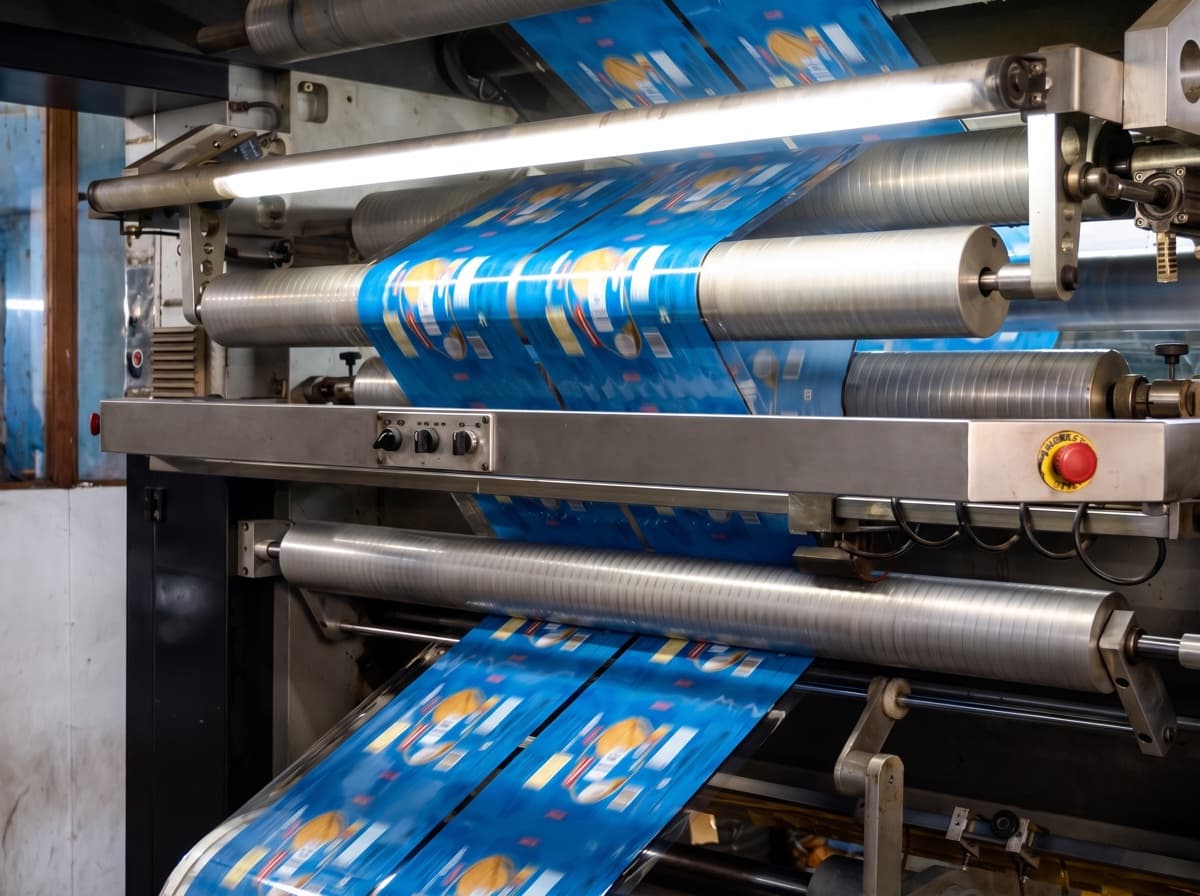
Rotogravure and CI flexographic printing solve different problems. Rotogravure suits larger order sizes, where the upfront cylinder cost is absorbed by volume. Flexographic printing suits mid-size orders, where that cost would not make sense. A company that offers only one is optimised for one kind of customer. Ask which processes a supplier runs and how many colours it can hold. Varna runs both, up to nine colours on either, including matte varnish finishes still uncommon among Sri Lankan suppliers, so the process is chosen to fit the order.
Look past the certificate to what runs on every reel
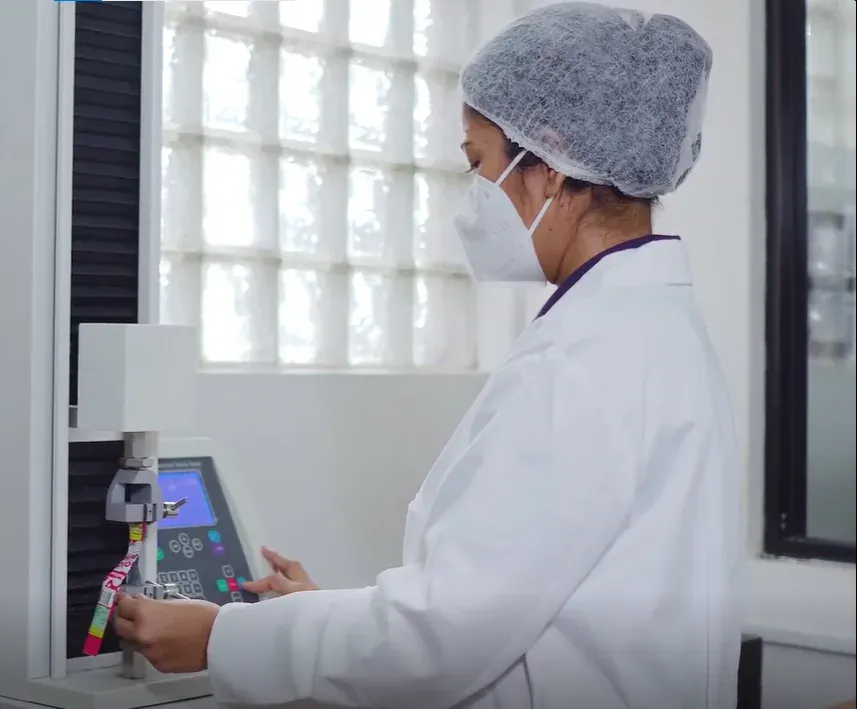
Certifications tell you a system exists. They do not tell you how often it catches a real defect. The question that separates a certificate on a wall from a working control is what gets checked on every reel, before it ships. Look for in-house lab testing and in-line defect detection on every order, not a sample once a quarter. Varna holds BRCGS and FSSC 22000 through every audit and runs both checks on every reel, at a 98.8 per cent external production acceptance rate. Ask any supplier for their equivalent figure. If they do not measure it, that tells you something too.
Ask how they held up when the country did not
Sri Lanka has put its manufacturers through a currency collapse, an IMF programme, fuel shortages and a global pandemic inside the last few years, with a civil war still within living memory of most senior buyers. A supplier's marketing rarely mentions any of it, because most were never tested. Ask directly what happened to their supply through 2020 to 2022. A company that kept packaging moving through that has a track record no certificate can stand in for. Varna has run for 65 years, since 1961, and kept its lines going through each of those shocks with BRCGS and FSSC 22000 held through every audit. That is the kind of answer to listen for, from whoever you ask.
If you export, weigh continuity and paperwork over price
If your packaging is heading across a border, two things matter more than the unit price. One is supply continuity, because an export programme cannot absorb a supplier that stops mid-season, so the disruption question above counts double. The other is consistency and paperwork. BRCGS and FSSC 22000 are recognised by buyers and auditors in most markets, and every shipment has to match the one before it. Ask how a supplier holds specification and colour batch to batch across a long order, and whether its certifications are the ones your destination market expects.
Screen for the sustainability you will be asked about

Retail and export buyers increasingly screen packaging on recyclability and material use, so it is worth raising early rather than late. Ask whether a supplier offers recyclable or mono-material structures for your product, and what it is doing to reduce its own footprint. The honest answers will tell you where recyclable options are viable for your barrier needs and where they are not yet. Varna offers mono-material and recyclable laminate options where the application allows, and covers about a quarter of its factory energy from a 650 kW on-site solar installation.
Notice whether they ask about your product before quoting
A generic pouch spec is a starting point, not an answer. The right print position, barrier structure and seal specification depend on what goes into the pack, whether that is a dry snack, a retort meal or something with its own shelf-life risks. If a supplier quotes before asking what the product is, notice that. The good ones ask first.
Choosing a flexible packaging supplier in Sri Lanka? Send us your product, your volumes and your packaging brief, and we will work through structure, print and certification requirements against what you need, not a generic template. See our full product range or our guide to choosing a pouch format. Call +94 11 2632971 or request a quote.
Common questions
- What MOQ and lead time should I expect from a flexible packaging supplier in Sri Lanka?
- Both depend on your specific order: pouch or reel size, number of colours, and the production schedule at the time. A supplier who can walk you through what is driving the figure is a better sign than one who quotes a fixed number with no explanation.
- What certifications should a flexible packaging company in Sri Lanka have?
- BRCGS and FSSC 22000 are the food-safety benchmarks to look for. Ask how they are enforced day to day, not just whether the certificate exists: in-house lab testing and in-line defect detection on every reel matter more than the certificate alone.
- Is it better to choose a manufacturer with in-house film extrusion?
- Generally yes, if barrier performance matters to your product. In-house extrusion means the company controls the structure underneath the print from the start, rather than sourcing finished film it cannot easily adjust.
- What is the difference between rotogravure and flexographic printing?
- Rotogravure suits larger volumes, where cylinder costs are justified by scale. CI flexographic printing suits mid-size orders. A supplier offering both can match the process to your order size.
- Which flexible packaging supplier is best for exporters?
- For export, weight supply continuity and certification portability over headline price. Look for a supplier that held supply through the 2020 to 2022 disruption, holds BRCGS and FSSC 22000, and can show consistent specification and colour batch to batch across a long order.
- Why does supply continuity matter when choosing a packaging partner?
- Because certifications and machinery do not tell you how a supplier behaves under real disruption. A company that kept supply moving through a currency collapse, fuel crisis or pandemic has a track record a new or untested supplier does not have yet.
Working through a packaging decision?
The thinking in these articles is the thinking we bring to every brief. Put your product in front of our technical team.
