Packaging is rarely the first consideration when developing a product, but it is often the first thing a consumer notices. For Sri Lankan FMCG brands operating in a competitive and increasingly quality-conscious market, selecting the right pouch format is a strategic decision that directly affects shelf appeal, product safety, production efficiency, and commercial performance.
With flexible packaging now the preferred choice across food, beverage, and personal care categories, the range of available formats can make the selection process feel complex. This guide offers a practical framework to help brands approach the selection process with greater clarity and confidence.
Why Pouch Format is a Critical Business Decision
Different pouch formats are engineered for specific purposes, and selecting the wrong format can lead to leaks, poor shelf presence, compliance gaps, or avoidable costs. The right format, on the other hand, ensures that your product arrives safely, presents well at retail, and performs consistently across repeat production runs.
For brands evaluating pouch packaging for FMCG products, the starting point is always a thorough understanding of what the product requires, not just what looks good on a shelf.
Key Factors to Evaluate Before Choosing a Format
1. Physical state of the product
Whether a product is liquid, semi-liquid, powder, granular, or solid will largely determine which formats are structurally suitable. A ready-to-eat curry and a dry spice mix, for instance, have entirely different packaging requirements despite both being food products.
2. Required shelf life
Products with longer shelf life expectations require laminate structures with appropriate barrier properties against moisture, oxygen, and light. This consideration influences both the pouch format and the material specification.
3. Filling and sealing compatibility
The chosen pouch format must be compatible with the brand’s filling equipment. Some formats are designed for vertical form-fill-seal (VFFS) lines, while others require dedicated machinery. Confirming this alignment early prevents costly adjustments later.
4. Retail environment and display requirements
Whether a product will be displayed on retail shelves, sold through food service channels, or shipped via e-commerce will influence format selection. A self-standing pouch communicates differently from a flat-packed alternative, both functionally and visually.
5. Consumer expectations at the point of use
Resealability, easy-open features, and portion control are increasingly standard expectations across many FMCG categories. These functional requirements should be factored into format selection from the outset.
An Overview of Common Pouch Formats
Standup / Doy Pouches
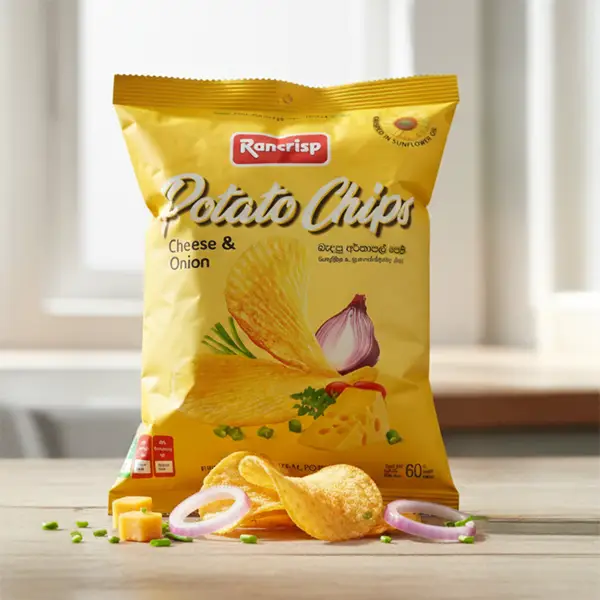
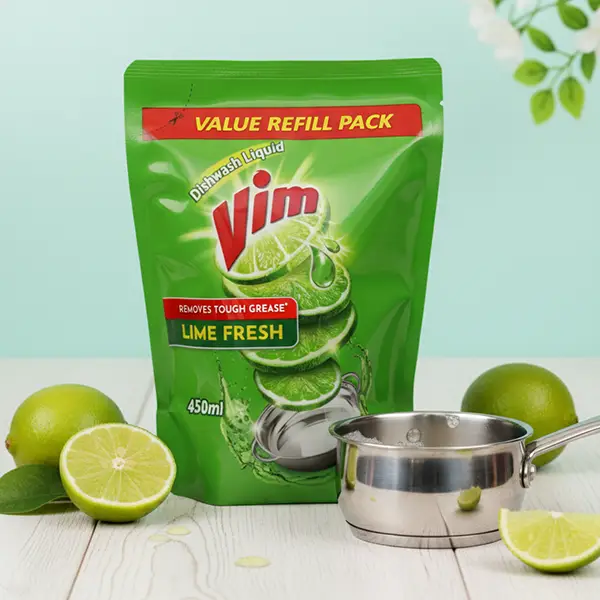
Among the most widely used food packaging pouches, standup pouches offer strong shelf visibility and can be produced with or without a zipper for resealability. They are well-suited to snacks, dry foods, sauces, juices, and personal care products, and provide significant branding surface area for consumer-facing applications.
Three Side Seal Pouches
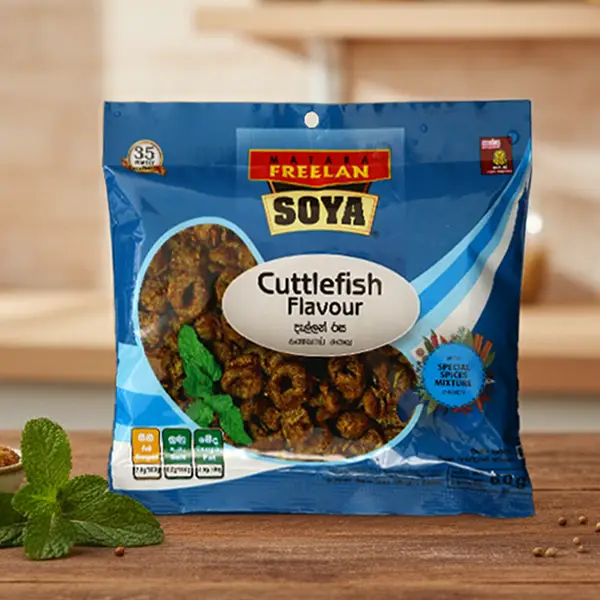
Three side seal pouches are a reliable and cost-efficient format, well-suited to single-serve portions, condiments, spice mixes, and flat products. The format runs efficiently on high-speed production lines, making it a practical choice for brands that prioritise output consistency and shorter turnaround times.
Centre Seal Pouches
Frequently used for confectionery, noodles, and bakery products, centre seal pouches offer good structural integrity and are well-suited to high-speed VFFS operations. They remain a dependable and widely understood format for dry goods across the FMCG sector.
Flat Bottom Pouches
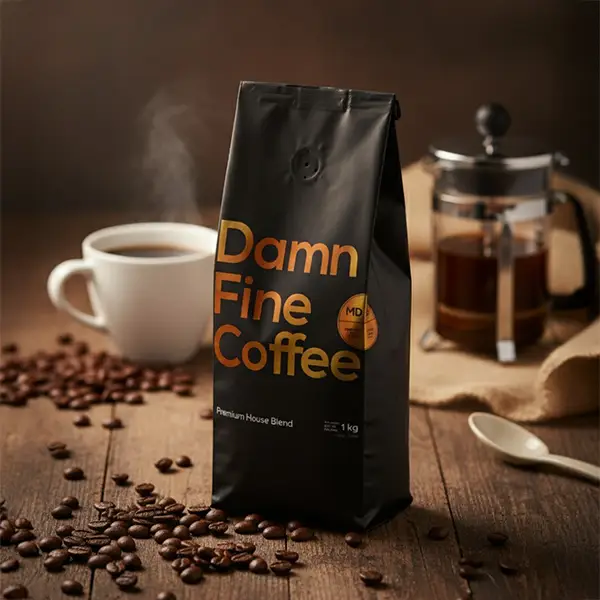
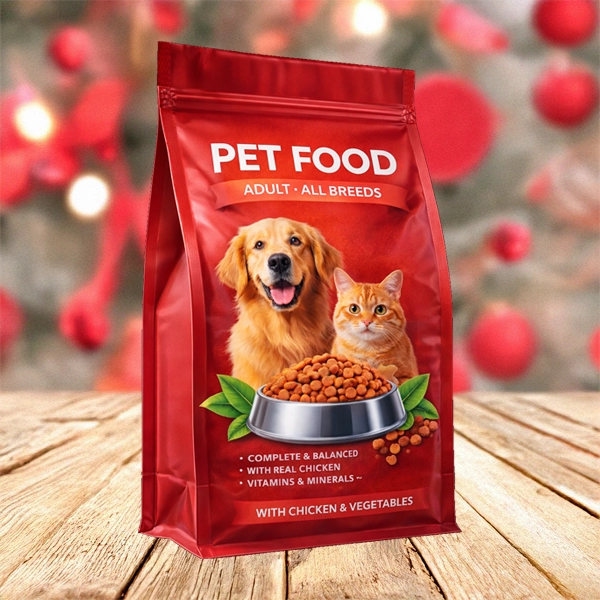
Flat bottom pouches are designed with a structured base that allows them to stand upright firmly on the shelf, offering more branding surface area than conventional standup formats. They are increasingly favoured for coffee, tea, pet food, and premium dry goods where shelf presence and brand positioning are priorities.
Retort Pouches
For products that require heat sterilisation, such as ready-to-eat meals, processed curries, or seafood, retort pouches are the appropriate solution. They withstand high processing temperatures while maintaining product safety and extending shelf life. From a sustainable food packaging perspective, retort pouches use considerably less material than cans or glass jars while delivering comparable preservation performance.
Vacuum Pouches
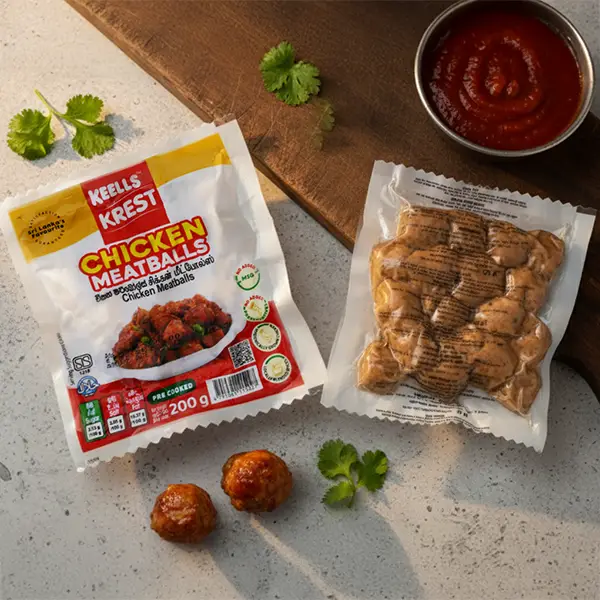
Primarily used for meat, poultry, seafood, and cheese, vacuum pouches extend shelf life by removing air from the sealed pack. They are compatible with modified atmosphere packaging (MAP) processes and provide a tight, form-fitting presentation suited to chilled and fresh categories.
Reel Form and PE Bags
For bulk packaging, food service, and industrial applications, reel form pouches and PE bags provide high-volume, cost-efficient solutions. These formats are widely used where throughput and functionality take precedence over retail aesthetics.
Matching Format to Product Category: A Quick Reference
Product Category | Recommended Formats |
Snacks & Dry Foods | Standup, Three Side Seal, Centre Seal |
Sauces & Condiments | Three Side Seal, Standup with Spout |
Coffee & Tea | Flat Bottom, Standup with Zipper |
Ready-to-Eat Meals | Retort Pouches |
Meat & Seafood | Vacuum Pouches |
Personal Care | Standup, Three Side Seal |
Bulk / Food Service | Reel Form, PE Bags |
The Sustainability Dimension
Sri Lankan FMCG brands are increasingly expected to demonstrate responsible packaging choices, driven by pressure from global retail partners, evolving regulations, and shifting consumer values. Sustainable food packaging has moved from being a differentiator to a baseline requirement in many categories.
Mono-material pouches, recyclable laminates, and lightweight structures are now viable options that progressive manufacturers can offer without compromising performance. When assessing food packaging supplies, it is worth discussing recyclability, material reduction, and end-of-life considerations with your packaging partner at the earliest stage of the project rather than treating them as secondary concerns.
The Value of the Right Manufacturing Partner
Selecting the right format is only part of the process. Equally important is partnering with a manufacturer who can deliver consistently, backed by the technical expertise to support your product and compliance needs.
Varna Packaging brings over 65 years of experience across all major pouch formats, partnering with brands from design and pre-press through to full-scale production. For brands seeking reliable FMCG packaging solutions in Sri Lanka from one of the top FMCG packaging manufacturers in Sri Lanka, the experience and capability are already in place.
To explore the right packaging solution for your product, connect with Varna Packaging and speak with a team that has the experience to guide you through the process.
FAQs
How do I determine whether a standup pouch is compatible with my existing filling line?
Compatibility depends on machine-specific factors such as pouch width, gusset depth, and seal type. A qualified manufacturer should review your equipment specifications before confirming suitability.
Can the same pouch format work across multiple product SKUs?
In many cases, yes. Dimensions and artwork can be customised per SKU while retaining the same base format, helping manage tooling costs and simplify production.
Are recyclable pouches as protective as conventional laminates?
For most dry and ambient products, yes. For high-barrier applications like retort or vacuum packaging, recyclable options are still evolving. A knowledgeable manufacturer can advise on the feasibility of your specific product.
What is the typical minimum order quantity for custom printed pouches?
MOQs vary by format, print complexity, and manufacturer. Sharing your volume requirements early in the inquiry allows for accurate guidance on viability and cost.
What lead time should I expect from artwork approval to first delivery?
Typically three to six weeks, depending on print complexity and production schedules. Time-sensitive orders should be flagged early to allow sufficient pre-press review time.
What food safety standards should a packaging manufacturer meet?
Check for certifications like FSSC 22000 to ensure materials, inks, and adhesives are food-safe and compliant for both domestic and export markets.