
Packaging decisions influence far more than shelf appeal. Choosing the right packaging format directly impacts shelf life, consumer experience, and operational efficiency. For manufacturers, brand owners, and packaging decision-makers, this choice also influences cost structures, logistics, sustainability, and long-term growth potential.
Both formats have their place. The right choice depends on your product category, distribution model, filling infrastructure and target market expectations.
This blog examines the practical differences between stand-up pouches and traditional packaging formats, helping you determine which solution aligns best with your product and operations.
Understanding the Two Packaging Formats
Stand-Up Pouches
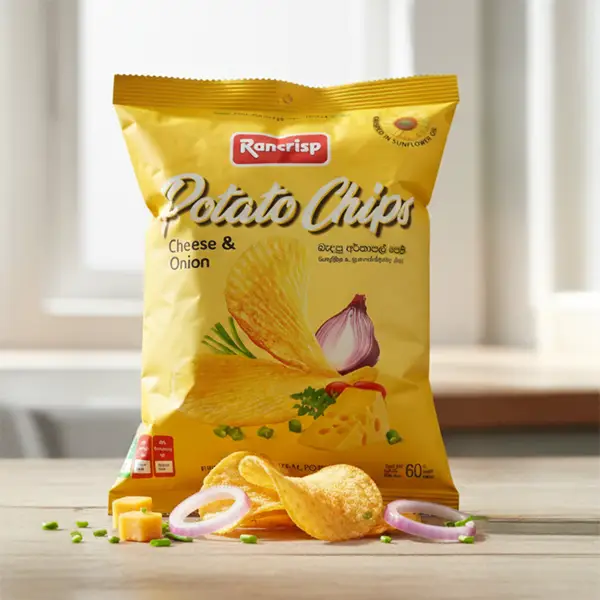
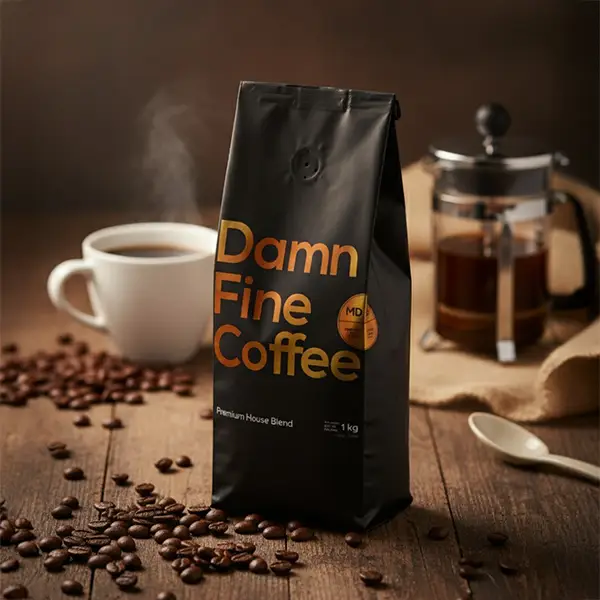
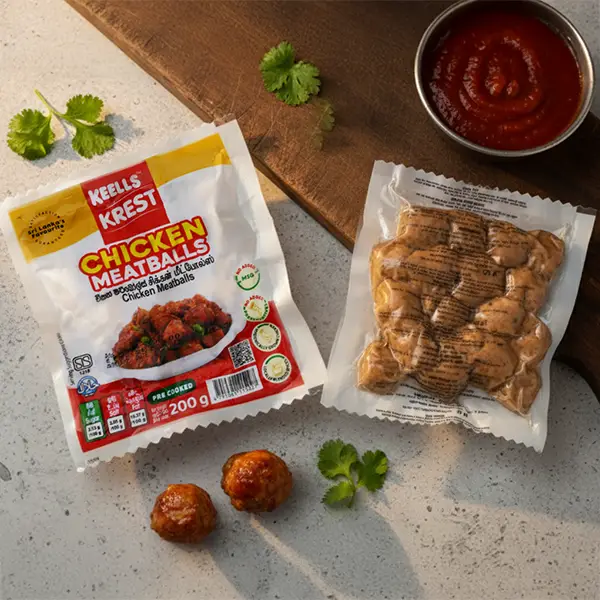
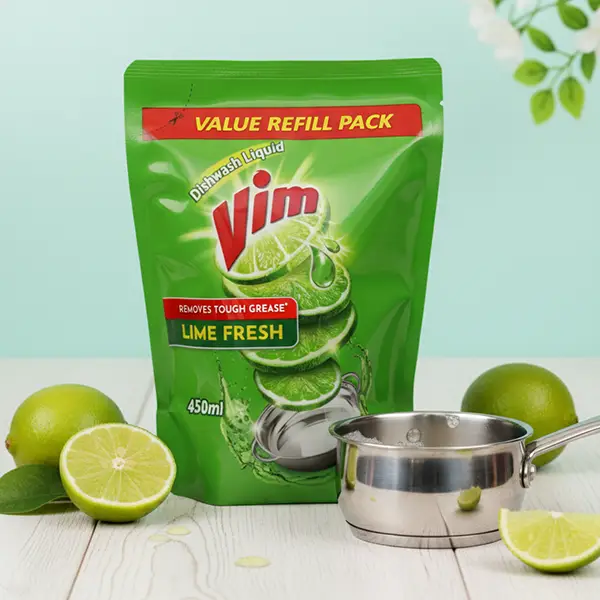
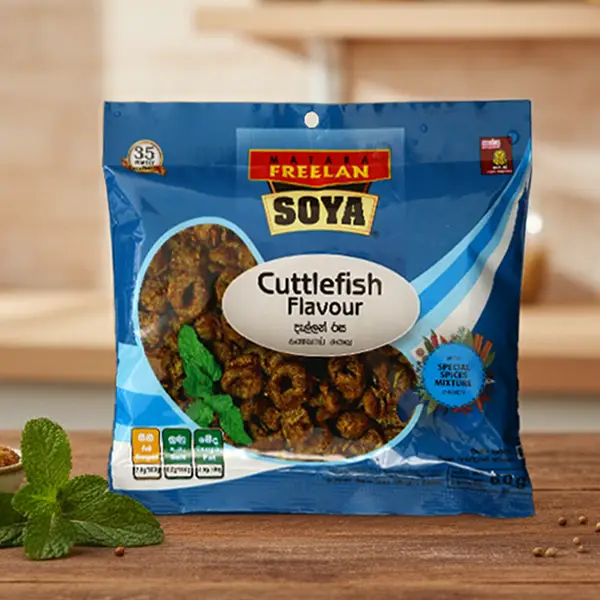
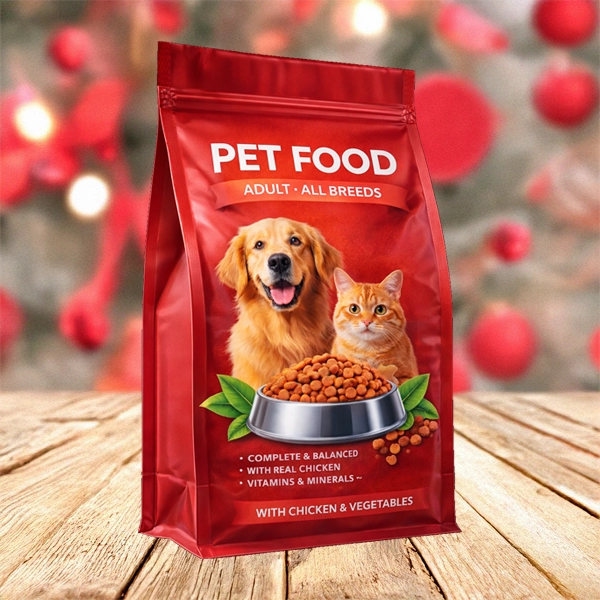
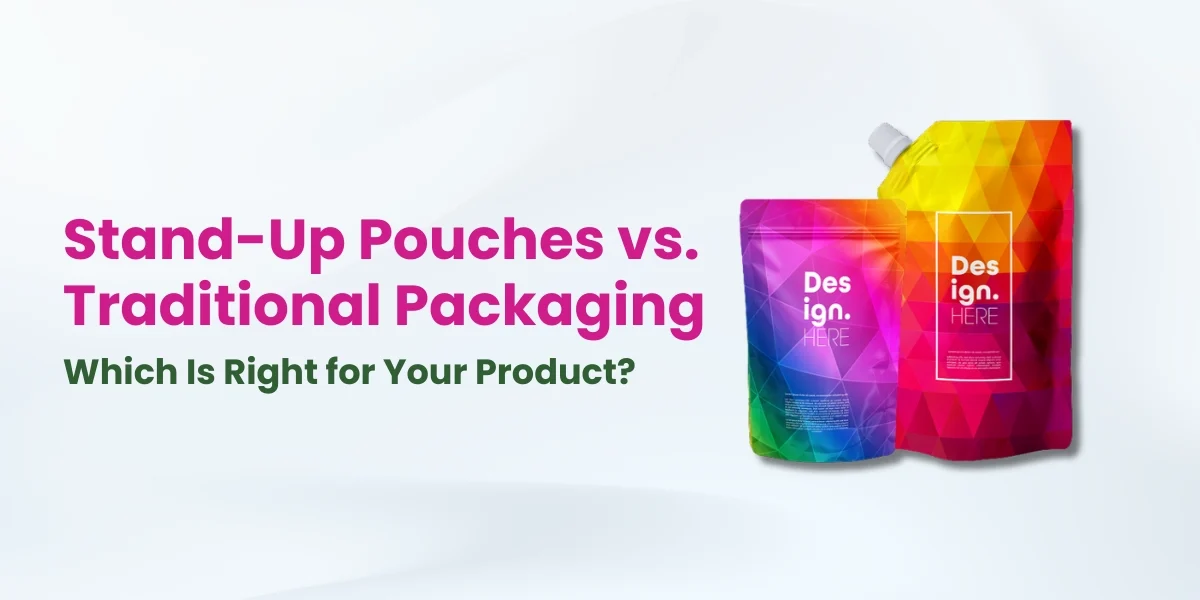
Stand-up pouches are flexible, versatile packaging formats designed to stand upright on retail shelves, typically featuring a bottom gusset for stability. They are commonly used across sectors such as food, beverages, personal care, pet food, and nutraceuticals.
These pouches are available in numerous customisable designs and can incorporate features like:
- Resealable zippers
- Spouts
- Tear notches
- Transparent windows
- High-quality graphics
Modern custom stand-up pouches are designed with advanced barrier properties to ensure product integrity while offering flexibility in design and production.
Traditional Packaging
Traditional packaging includes formats such as:
- Rigid plastic containers
- Glass jars and bottles
- Metal tins
- Paperboard cartons
While these packaging solutions have been in use for decades, their key advantages lie in structural strength, product protection, and brand presentation. They are often chosen for products requiring high durability or those targeting premium market segments.
Key Considerations When Choosing the Right Packaging
The right packaging format must align with your product’s characteristics, operational goals, and brand positioning. Below, we examine the most important factors to consider when selecting between stand-up pouches and traditional packaging.
1. Shelf Impact and Brand Visibility
The retail environment plays a crucial role in shaping how consumers perceive your product. Stand-up pouches provide an excellent opportunity to enhance brand visibility and stand out on crowded shelves.
Stand-Up Pouches
- Offer a large printable surface for branding
- Enable high-quality, vibrant graphics that attract attention
- Provide a modern, sleek look that resonates with today’s consumers
- Allow for unique shapes and sizes to differentiate your product
Traditional Packaging
- Often perceived as more robust and familiar
- Provides a classic, premium look, especially in glass and metal formats
- Offers limited space for branding compared to flexible formats
When your goal is to capture consumer attention and reflect contemporary brand values, stand-up pouches can help convey a dynamic and forward-thinking image.
2. Logistics: Freight, Storage, and Handling
Packaging format can significantly influence the efficiency of your supply chain and the associated costs. For manufacturers with global distribution needs, the impact of packaging weight, volume, and durability on logistics cannot be overlooked.
Stand-Up Pouches
- Lighter and more compact compared to rigid containers
- Offer reduced transportation and storage costs due to their low weight and ability to be flat-packed before filling
- Enable better space optimisation in warehouses and trucks
Traditional Packaging
- Heavier, often increasing transportation costs
- May require more space in storage and shipping due to the rigid structure
- Greater risk of breakage during transit, particularly with glass containers
Stand-up pouches are ideal for reducing overall logistics costs, especially when aiming for increased shipping efficiency.
3. Product Protection and Barrier Properties
Product integrity is a key consideration when selecting the right packaging. Whether you’re dealing with perishable food, nutraceuticals, or personal care products, the right barrier properties are essential to maintaining product quality.
Stand-Up Pouches
- Can be manufactured with multi-layer laminates that provide excellent protection against moisture, oxygen, and UV light
- Suitable for a range of products, including dry foods, powders, snacks, and pet food
- Can incorporate advanced barrier technology to extend shelf life and preserve product quality
Traditional Packaging
- Glass and metal containers offer superior protection against light and air
- Plastic containers can provide varying levels of protection, depending on the material used
- Often more suitable for liquid-based products requiring high barrier performance
The choice between stand-up pouches and traditional packaging will largely depend on your product’s exposure to external elements such as moisture, oxygen, and light.
4. Sustainability Considerations
Sustainability Considerations
Sustainability is increasingly becoming a key factor in packaging decisions. Consumers are becoming more environmentally conscious, and global regulatory pressure on waste management is on the rise.
Understanding your packaging’s environmental impact is essential to staying aligned and future-ready.
Stand-Up Pouches
- Generally, they use fewer materials by weight, leading to a reduced carbon footprint.
- The lightweight design means lower transportation energy consumption.
- Many stand-up pouches are made from recyclable materials, though recyclability depends on the material structure and local recycling systems. Mono-material options are available for easier recycling.
Traditional Packaging
- Glass and metal offer full recyclability, but their heavy weight and high production energy increase their environmental footprint.
- Depending on the resin, plastic containers can present challenges for recycling and waste management.
With a focus on sustainability, flexible packaging options like stand-up pouches can offer a lower overall environmental impact compared to rigid alternatives, especially when considering material efficiency and transportation savings.
5. Consumer Convenience
Modern consumers increasingly value convenience in packaging. The ease of use and portability of your packaging can impact their purchasing decision, particularly in sectors like food, beverages, and personal care.
Stand-Up Pouches
- Lightweight and portable, making them ideal for on-the-go products
- Resealable zippers allow for easy access and storage
- Flexible design makes them easy to store in compact spaces
Traditional Packaging
- Provides durability but may lack the same convenience features, like resealability or easy handling
- Heavy formats can be less convenient for consumers in daily use
For products that are designed to meet the needs of busy, modern consumers, stand-up pouches offer significant advantages in usability and convenience.
6. Production Compatibility
The shift from traditional to flexible packaging may require changes in your production line. It’s important to evaluate whether your current infrastructure can support the new packaging format or if an investment in new equipment is needed.
Stand-Up Pouches
- Require specialised filling and sealing machinery
- Compatible with both high-speed automated systems and semi-automated operations
- Ideal for co-packing arrangements
Traditional Packaging
- Rigid packaging typically works with established filling lines, reducing the need for significant changes in production infrastructure
- Suitable for high-volume, established manufacturing environments
While stand-up pouches may require new equipment or adjustments, they offer flexibility and scalability in production that traditional packaging may not always provide.
Conclusion
The choice between stand-up pouches and traditional packaging depends on your product’s needs, logistics, and sustainability goals. Stand-up pouches offer flexibility, lower weight, and cost efficiency, while traditional packaging excels in strength and premium presentation.
The ideal choice aligns with your brand strategy and operational needs. Partnering with Varna Packaging ensures you get custom packaging solutions that optimise both performance and efficiency for lasting business value.
FAQs
1. Are stand-up pouches suitable for food products?
Yes, they’re ideal for dry foods, snacks, and nutraceuticals, offering excellent moisture and oxygen protection for long shelf life.
2. Can stand-up pouches reduce shipping costs?
Yes, their lightweight and compact design reduces transportation, storage, and freight costs.
3. Are stand-up pouches recyclable?
Yes, many are made from recyclable materials, with some mono-material options available. Multi-layer laminates may need special recycling.
4. How do I choose between stand-up pouches and traditional packaging?
Consider product type, barrier needs, logistics, and sustainability. Stand-up pouches are flexible and cost-efficient; traditional packaging suits products needing structure and premium appeal.
5. Can stand-up pouches be used for liquids?
Yes, stand-up pouches can include spouts or pour features for liquids like beverages, sauces, and other fluid products.