In today’s competitive marketplace, packaging is no longer just a protective layer—it plays a critical role in product quality, shelf life, and overall brand perception. The right packaging not only safeguards your product but also enhances how customers experience and trust your brand.
For businesses looking to stay ahead, custom packaging solutions offer the flexibility to meet specific product, regulatory, and branding requirements. However, achieving the right outcome depends heavily on choosing the right packaging partner.
This guide will help you understand what to look for in a provider and how to make a decision that supports your long-term business goals.
Why Custom Packaging Solutions Matter
Every product has unique packaging needs. Standard solutions may work in some cases, but they often fall short when it comes to preserving product quality or supporting brand differentiation.
Custom packaging solutions allow businesses to:
- Improve product protection and shelf life
- Meet industry and regulatory standards
- Strengthen brand visibility through tailored design
- Optimize storage, transport, and logistics
- Support sustainable packaging initiatives
For instance, products that require extended shelf life or high-temperature processing often rely on advanced formats like retort packaging (you can link this to your previous blog here). Choosing the right structure can make a measurable difference in product performance.
Key Factors to Consider When Choosing a Custom Packaging Provider
Selecting the right custom packaging provider is a strategic decision. Here are the key factors to evaluate:
1. Industry Experience and Expertise
A reliable, flexible packaging manufacturer brings industry-specific knowledge that goes beyond basic production. Experience helps in identifying the right materials, structures, and processes for your product.
An experienced provider can:
- Recommend suitable packaging formats
- Understand barrier requirements
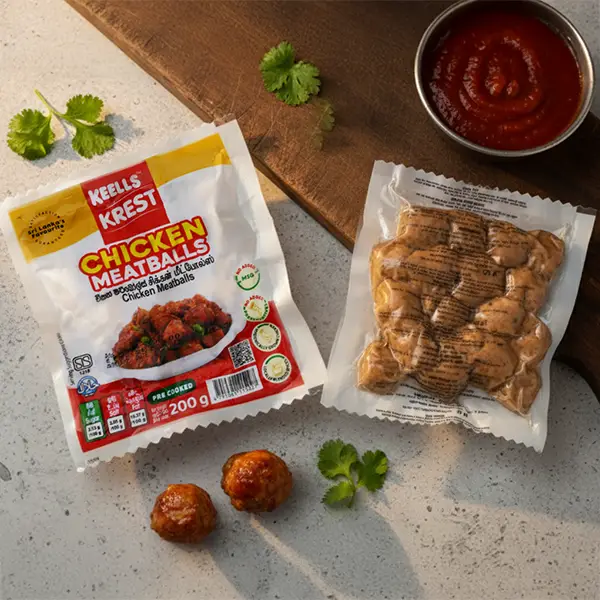
- Handle specialized solutions like vacuum or multilayer packaging
This ensures your packaging performs consistently in real-world conditions.
2. Customization Capabilities
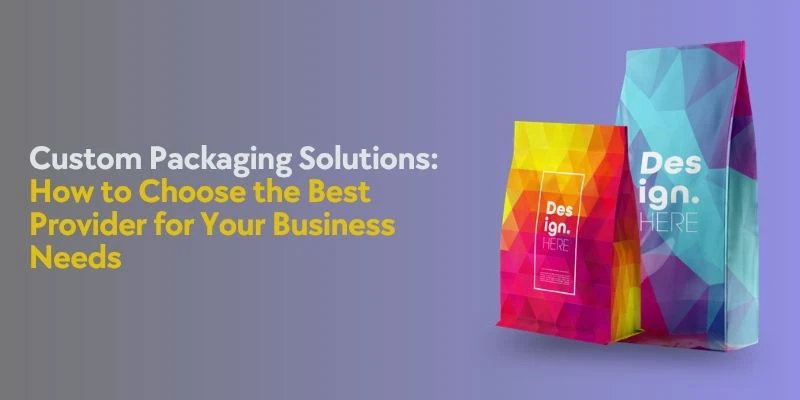
One of the biggest advantages of custom packaging is flexibility. Your provider should offer a wide range of customization options, including:
- Material selection (films, laminates, polyethylene)
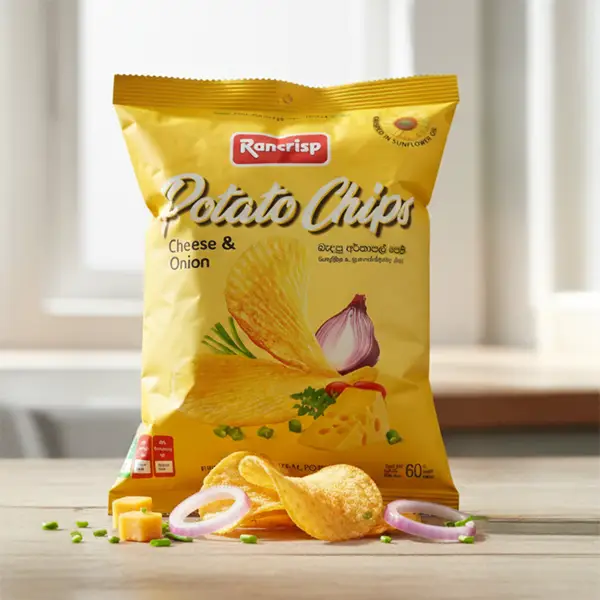
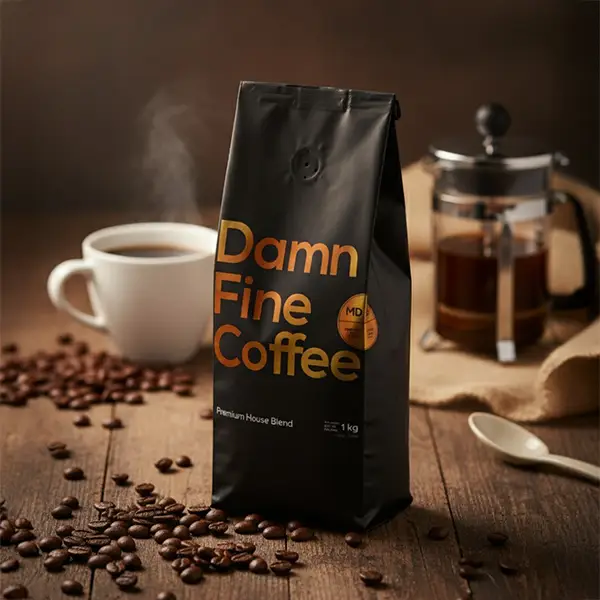
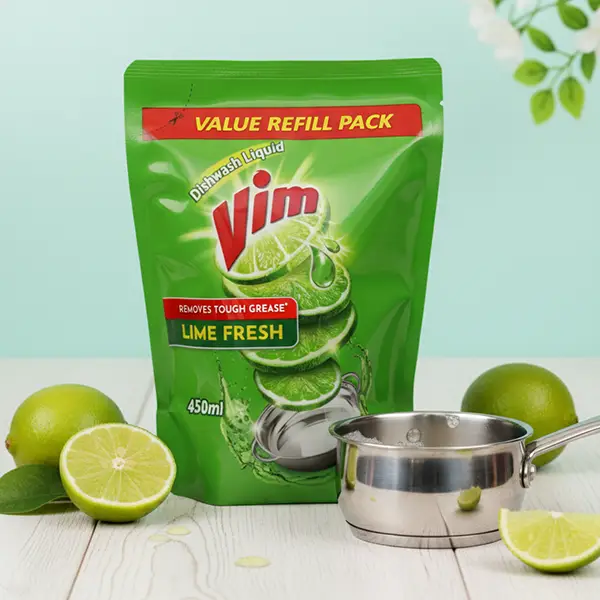
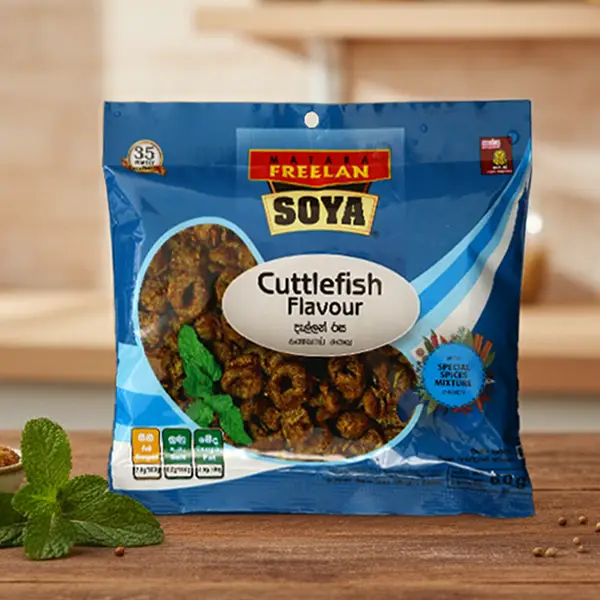
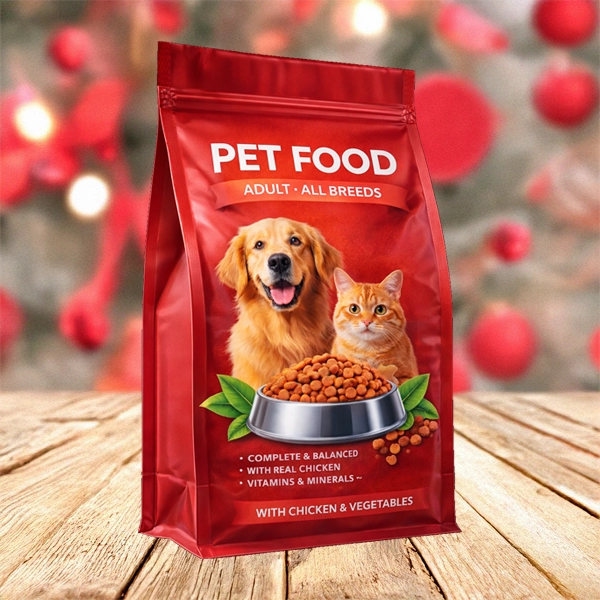
- Packaging formats (stand-up pouches, flat pouches, zipper options)
- Printing quality and finishing
- Barrier properties (moisture, oxygen, and light resistance)
The more adaptable the provider, the better your packaging will align with your product and brand.
3. Quality Standards and Certifications
Packaging quality directly impacts product safety and brand reputation. Even minor inconsistencies can lead to product damage or customer dissatisfaction.
Look for a provider that:
- Follows strict quality control processes
- Meets food-grade or pharmaceutical standards
- Conducts proper testing and validation
Consistent quality is essential for maintaining trust and reducing operational risks.
4. Sustainable Packaging Solutions
Sustainability is no longer optional—it is becoming a core requirement across industries. Businesses are increasingly expected to adopt environmentally responsible practices.
A forward-thinking provider should offer sustainable packaging solutions, such as:
- Recyclable or mono-material packaging
- Reduced material usage
- Responsible sourcing practices
Sustainable packaging not only supports compliance but also strengthens your brand image in the long term.
5. Technology and Manufacturing Capabilities
Advanced infrastructure plays a key role in delivering reliable packaging solutions.
Evaluate whether the provider has:
- Modern manufacturing facilities
- In-house printing and lamination
- Research and development support
- Scalable production capabilities
Strong technical capabilities ensure consistency, efficiency, and the ability to grow with your business.
6. Reliability and Supply Chain Strength
Delays in packaging can disrupt your entire production cycle. That’s why reliability is a critical factor.
Choose a provider known for:
- Consistent delivery timelines
- Strong supply chain management
- Ability to handle bulk and repeat orders
A dependable partner helps maintain smooth operations and reduces downtime.
7. Collaborative Approach
The best packaging providers act as partners rather than just suppliers. They take the time to understand your product, challenges, and long-term objectives.
A collaborative partner will:
- Offer expert consultation
- Provide prototyping and sampling
- Maintain clear and responsive communication
This approach leads to better packaging outcomes and long-term value.
Common Mistakes to Avoid
When choosing a custom packaging partner, businesses often make avoidable mistakes such as:
- Focusing only on cost instead of overall value
- Ignoring quality certifications
- Overlooking scalability for future growth
- Skipping testing before full production
Avoiding these pitfalls can save time, cost, and potential product issues.
Conclusion
Choosing the right custom packaging solutions provider is more than a procurement decision—it’s a strategic investment in your product and brand.
By focusing on experience, customization, quality, sustainability, and reliability, businesses can find a partner that delivers consistent value. The right provider not only supplies packaging but also contributes to product performance, operational efficiency, and long-term growth.
FAQs
1. What are custom packaging solutions?
Custom packaging solutions are tailored packaging designs created to meet specific product requirements, including material, size, barrier properties, and branding.
2. How do I choose the right packaging supplier?
You should evaluate factors such as industry experience, customization capabilities, quality standards, sustainability practices, and reliability.
3. Why are custom packaging solutions important?
They improve product protection, enhance brand identity, ensure compliance, and optimize logistics.
4. What industries benefit from flexible packaging?
Industries such as food and beverage, pharmaceuticals, personal care, and industrial products benefit significantly from flexible packaging.
5. Are sustainable packaging solutions available?
Yes, many providers offer eco-friendly options like recyclable materials and reduced plastic packaging.
6. Is custom packaging cost-effective?
While initial costs may be higher, custom packaging often reduces long-term expenses through better protection, reduced waste, and improved brand value.